
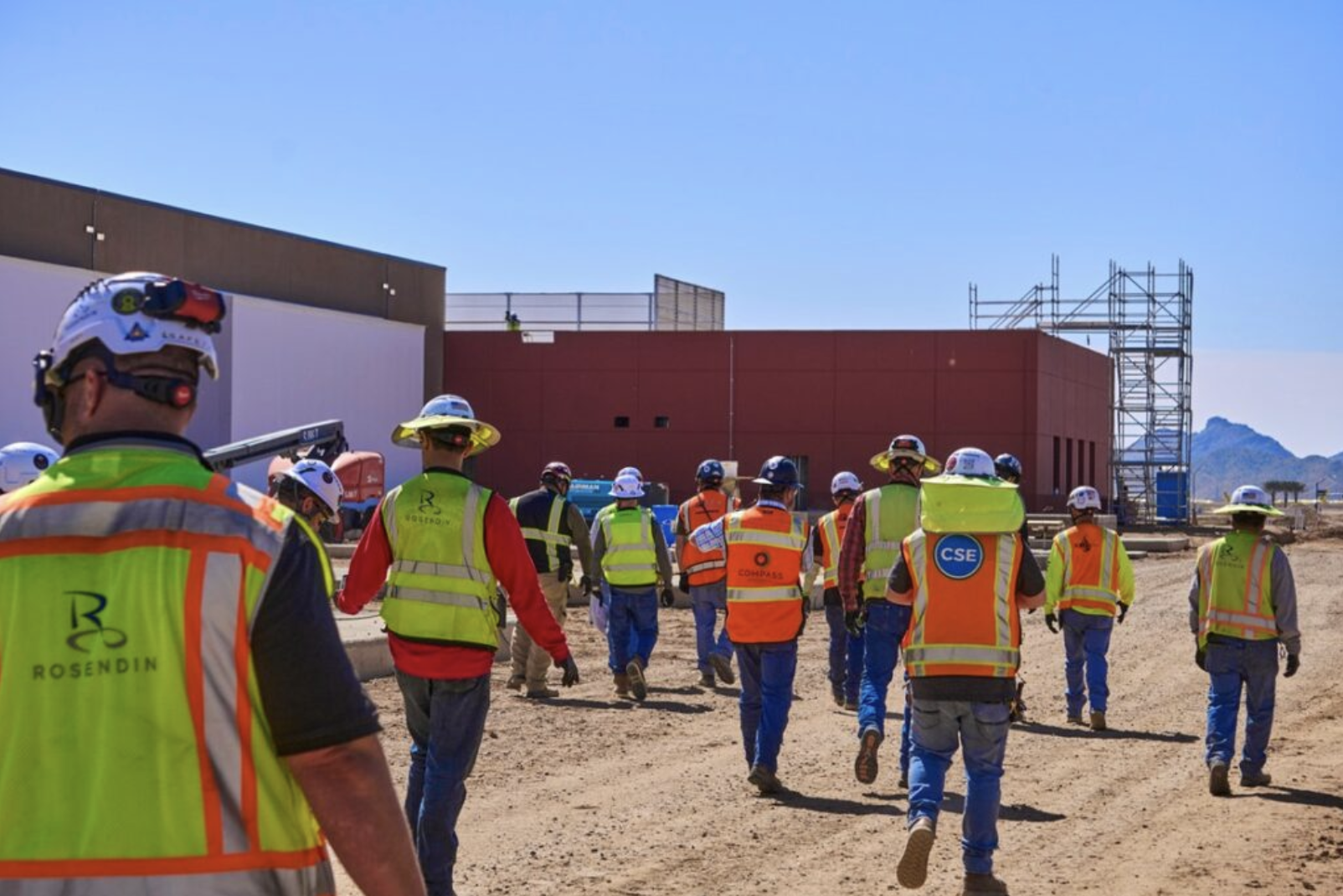
Elevating Craft Workers’ Voices: A CISI Safety Initiative
In the construction industry, safety has always been a top priority. But true safety culture goes beyond policies and procedures—it’s about listening to the people doing the work every day. That’s the vision behind the Craft Workers’ Voices in Safety initiative, an idea championed through the collaboration of the Construction Industry Safety Initiative (CISI).
Why Craft Workers’ Voices Matter
Craft workers are on the front lines of every project. They see the risks firsthand, understand the challenges of the job site, and often know where improvements can be made before problems arise. Yet historically, their voices haven’t always been part of decision-making processes around safety.
CISI recognized that to build safer, healthier workplaces, it was critical to bridge this gap. Safety improvements couldn’t only be top-down; they had to include the insights and experiences of those who work with tools in hand, day in and day out.
The CISI Collaboration
Through CISI, a group of leading construction companies came together to share best practices, identify opportunities for industry-wide improvement, and prioritize worker well-being. One of the most important outcomes of this collaboration was a commitment to empower craft workers to actively shape safety culture.
The Craft Workers’ Voices in Safety initiative ensures workers have:
- A platform to be heard: Workers are encouraged to share their perspectives on safety challenges and solutions.
- A role in leadership conversations: Their feedback informs company policies and jobsite practices.
- Ownership of safety outcomes: By voicing concerns and solutions, workers become leaders in protecting themselves and their teams.
Putting Voices Into Action
This initiative isn’t symbolic—it’s practical. Companies now host regular listening sessions, craft-led toolbox talks, and peer-to-peer safety mentoring. Many organizations have also introduced recognition programs that celebrate workers who speak up and prevent potential incidents.
These efforts have fostered a culture where safety isn’t dictated—it’s shared. Workers feel respected and valued, and leadership benefits from real-world insights that lead to smarter, more effective safety practices.
A Stronger, Safer Industry
The Craft Workers’ Voices in Safety initiative has had ripple effects across the construction industry. It has helped break down barriers between management and workers, strengthen trust on job sites, and—most importantly—reduce incidents by addressing risks at their source.
What began as a CISI conversation has grown into a movement that empowers every craft worker to be more than a participant in safety—they are now partners and leaders in it.