Join us at the
SEPTEMBER 21-22, 2026 | Ritz-Carlton in Las Colinas, TX
Learn MoreShare Best Practices
Share Safety Challenges & Culture Issues
Focus on Our People
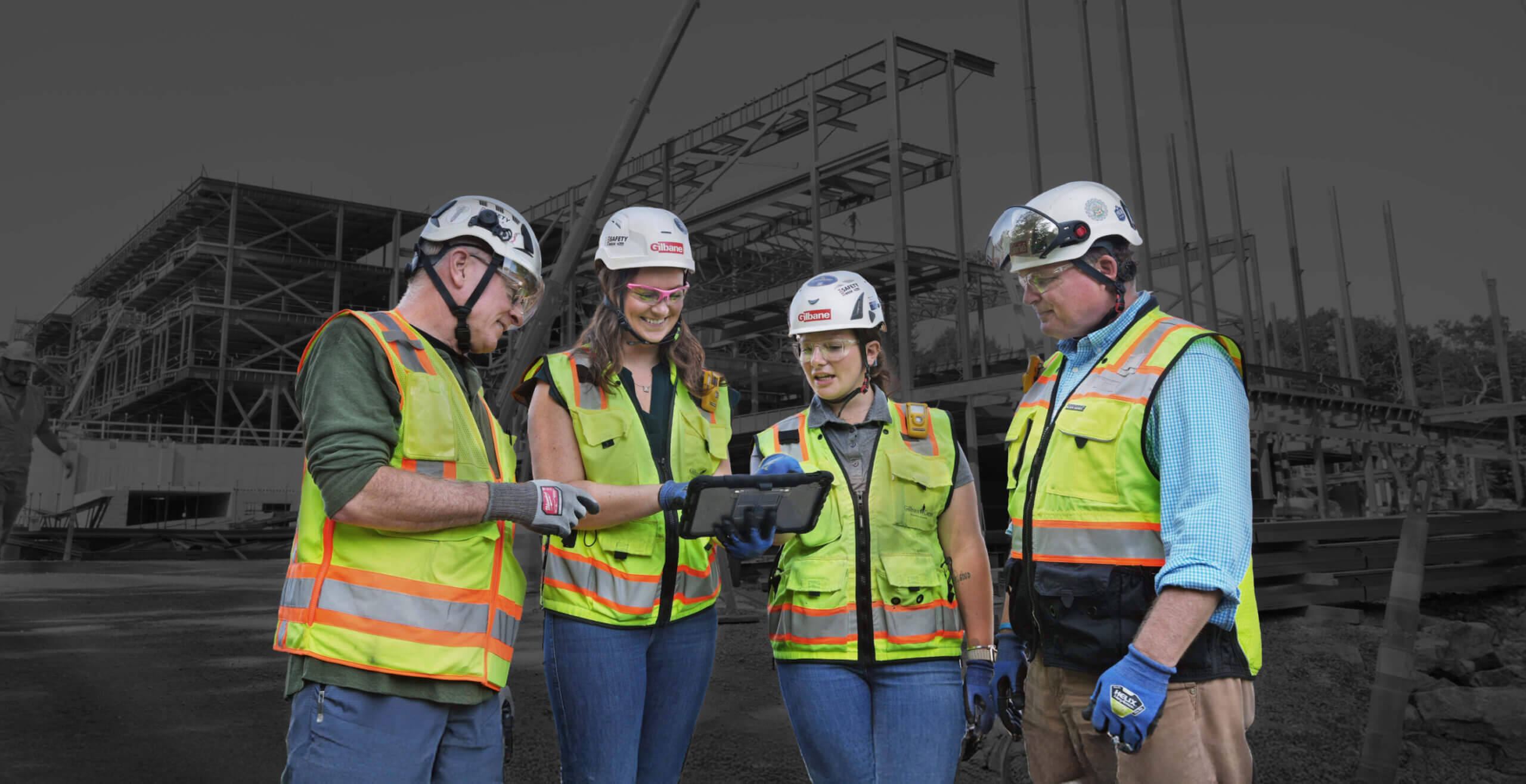
Our partners now include more than 20 national and global construction firms dedicated to safeguarding the safety of both our people and the public.
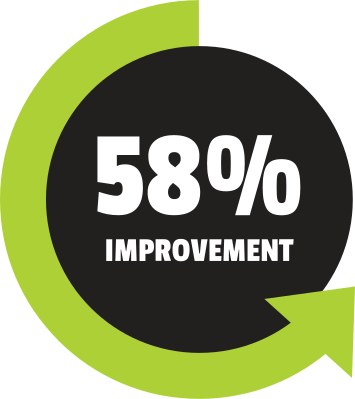
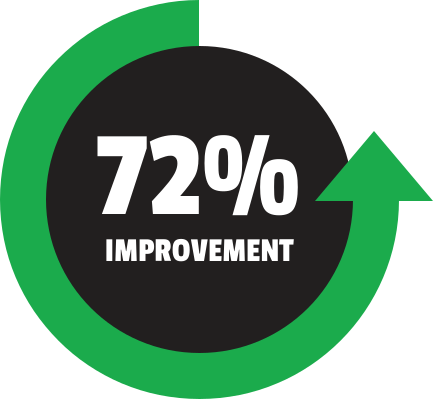
BETWEEN 2006 & 2021 CISI MEMBERS ACHIEVED A 72% IMPROVEMENT IN THEIR RECORDABLE INCIDENT RATE COMPARED TO 58% ACROSS THE INDUSTRY.
Industry
CISI Members
Every year, construction companies across the country set aside time to come together for Safety Week—a powerful reminder that nothing is more important than the health and well-being of the people who build our communities. But many may not know the story of how Safety Week began and the role the Construction Industry Safety Initiative (CISI) played in its creation.
The Beginning: CISI’s Commitment to Safety
More than a decade ago, a group of leading construction firms formed the Construction Industry Safety Initiative (CISI) with a shared goal: to improve safety practices across the industry. While each company already had its own internal programs, these leaders saw the value of collaboration. By sharing lessons learned, best practices, and resources, CISI set out to elevate safety standards across the board.
The Birth of Safety Week
In 2014, CISI, along with other industry groups, launched the first-ever Safety Week. The idea was simple but powerful: dedicate one week each year for construction companies, workers, and partners to collectively pause, reflect, and re-commit to safety. The event created an opportunity to bring teams together—on job sites, in offices, and at community events—to share stories, recognize successes, and learn from one another.
More Than Hard Hats and Rules
Since its inception, Safety Week has grown into a nationwide movement that goes far beyond compliance and checklists. It’s about building a culture where every worker feels valued and empowered to speak up. CISI’s leadership has always emphasized that safety isn’t just about preventing injuries; it’s about fostering trust, respect, and a sense of belonging on every job site.
The Impact Today
Now, over 80 construction firms and industry partners participate in Safety Week each year, engaging thousands of workers across the country. From toolbox talks and training sessions to hands-on demonstrations and team-building events, the week is filled with activities that reinforce one key message: safety is personal, and everyone has a role to play.
Looking Ahead
As Safety Week continues to grow, so does the commitment of CISI and its partners to lead with care and accountability. What began as a shared idea among a few companies has become a movement that unites the construction industry in protecting its most valuable asset—its people.
In the construction industry, safety has always been a top priority. But true safety culture goes beyond policies and procedures—it’s about listening to the people doing the work every day. That’s the vision behind the Craft Workers’ Voices in Safety initiative, an idea championed through the collaboration of the Construction Industry Safety Initiative (CISI).
Why Craft Workers’ Voices Matter
Craft workers are on the front lines of every project. They see the risks firsthand, understand the challenges of the job site, and often know where improvements can be made before problems arise. Yet historically, their voices haven’t always been part of decision-making processes around safety.
CISI recognized that to build safer, healthier workplaces, it was critical to bridge this gap. Safety improvements couldn’t only be top-down; they had to include the insights and experiences of those who work with tools in hand, day in and day out.
The CISI Collaboration
Through CISI, a group of leading construction companies came together to share best practices, identify opportunities for industry-wide improvement, and prioritize worker well-being. One of the most important outcomes of this collaboration was a commitment to empower craft workers to actively shape safety culture.
The Craft Workers’ Voices in Safety initiative ensures workers have:
Putting Voices Into Action
This initiative isn’t symbolic—it’s practical. Companies now host regular listening sessions, craft-led toolbox talks, and peer-to-peer safety mentoring. Many organizations have also introduced recognition programs that celebrate workers who speak up and prevent potential incidents.
These efforts have fostered a culture where safety isn’t dictated—it’s shared. Workers feel respected and valued, and leadership benefits from real-world insights that lead to smarter, more effective safety practices.
A Stronger, Safer Industry
The Craft Workers’ Voices in Safety initiative has had ripple effects across the construction industry. It has helped break down barriers between management and workers, strengthen trust on job sites, and—most importantly—reduce incidents by addressing risks at their source.
What began as a CISI conversation has grown into a movement that empowers every craft worker to be more than a participant in safety—they are now partners and leaders in it.
The construction industry is known for its grit, resilience, and hard work. But behind the hard hats and safety vests lies a difficult reality: construction has one of the highest suicide rates of any industry in the United States. For years, mental health was the “silent safety crisis”—rarely discussed, often stigmatized, and too often overlooked.
Thanks to the leadership of the Construction Industry Safety Initiative (CISI) and its partners, that silence is being broken. Together, they have brought mental health and suicide prevention to the forefront of construction safety culture.
Facing the Crisis Head-On
Statistics reveal the urgency—The CDC reports that construction workers are nearly four times more likely to die by suicide than the average American worker. Factors such as long hours, job insecurity, physical strain, and the “tough-it-out” culture in construction have contributed to the crisis.
CISI partner companies recognized that ensuring worker safety isn’t just about preventing falls or injuries—it’s about protecting the whole person, both physically and mentally. This shift in perspective paved the way for an industry-wide focus on mental health.
From Awareness to Action
Through CISI’s collaboration, mental health and suicide prevention became a core part of jobsite safety conversations. What began as small discussions during Safety Week has grown into a movement embraced across the industry. CISI partners have worked together to:
Changing Culture, Saving Lives
By prioritizing mental health, CISI partners are dismantling stigma and building a culture where workers feel safe asking for help. Suicide prevention is no longer viewed as an isolated health issue—it’s recognized as a critical safety issue.
Jobsite toolbox talks now include discussions about mental well-being. Supervisors are trained to spot warning signs and connect workers to support. And companies are taking proactive steps to ensure their teams know: you are not alone.
The Road Ahead
CISI’s efforts have sparked meaningful change, but the work is far from done. Mental health and suicide prevention will remain a central focus of industry-wide safety initiatives for years to come. Each conversation, resource shared, and worker supported is a step toward saving lives and creating a stronger, healthier industry.
Together, the construction community is proving that safety isn’t just about protecting hands and feet—it’s about protecting hearts and minds.
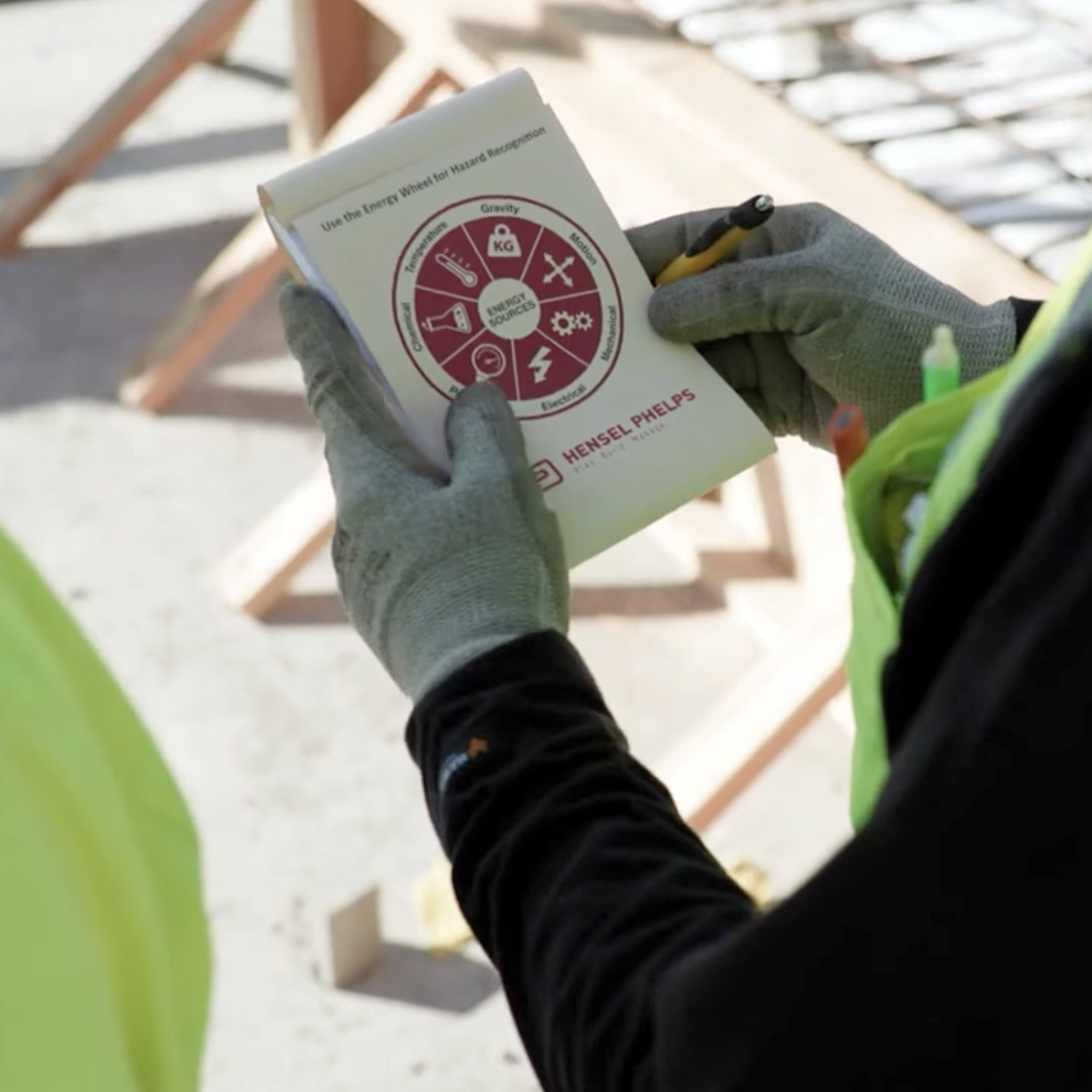
In construction, safety is more than a checklist—it’s about awareness, anticipation, and action. One of the most effective tools developed to support this mindset is the Energy Wheel, a simple yet powerful way to help workers recognize hazards before they lead to incidents. Thanks to the collaboration of the Construction Industry Safety Initiative (CISI) partners, Hazard Recognition and the Energy Wheel have become a cornerstone of safety best practices across the industry.
What Is the Energy Wheel?
The Energy Wheel is a visual tool that helps identify the types of energy present on a job site—such as gravity, motion, pressure, electricity, or chemical. Each of these energies has the potential to cause serious harm if not properly controlled. By using the Energy Wheel, workers are trained to pause, assess the environment, and ask:
This approach makes hazard recognition practical and memorable, turning an abstract concept into an easy-to-use, everyday tool.
CISI Partners Leading the Way
Through CISI collaboration, the Energy Wheel has been shared, refined, and standardized across many leading construction firms. What started as a best practice adopted by a few companies has grown into a key foundation of industry-wide safety programs.
CISI partners have:
A Culture of Proactive Safety
By making Hazard Recognition and the Energy Wheel central to safety programs, CISI partners are shifting the culture from reactive to proactive. Instead of responding to incidents after they happen, teams are encouraged to recognize hazards early and prevent them altogether.
Workers are empowered to speak up when they see uncontrolled energy, supervisors are trained to reinforce the practice, and leadership reinforces the message that hazard recognition saves lives.
Looking Ahead
Hazard Recognition and the Energy Wheel are more than just tools—they’re part of a mindset. Through their commitment to collaboration, CISI partners have elevated this approach into a foundation for safer jobsites everywhere.
When every worker understands the energies around them and takes steps to control hazards, safety becomes not just a rule, but a shared responsibility. That’s the power of CISI’s partnership—and the reason the Energy Wheel continues to drive safety excellence across the industry.
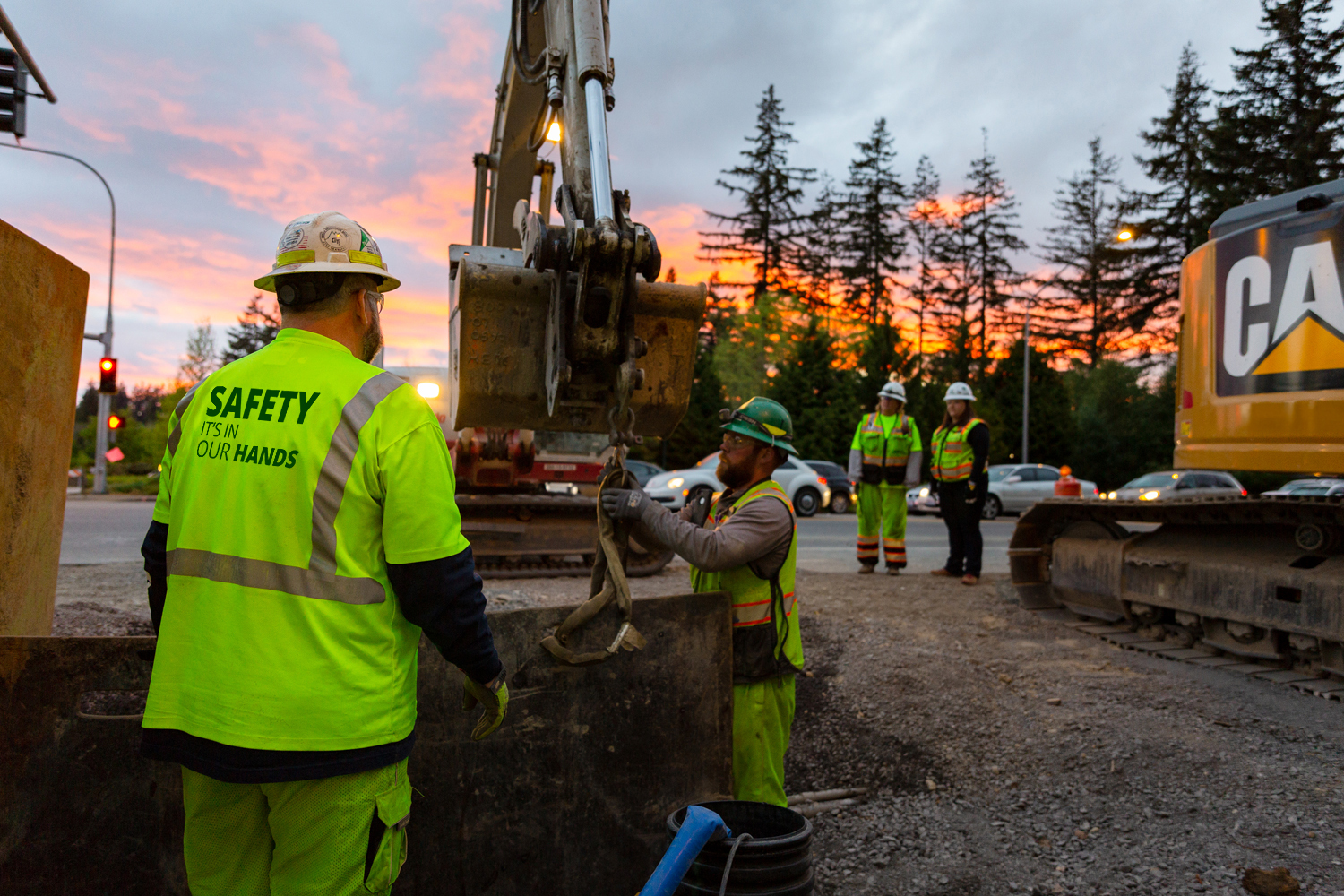
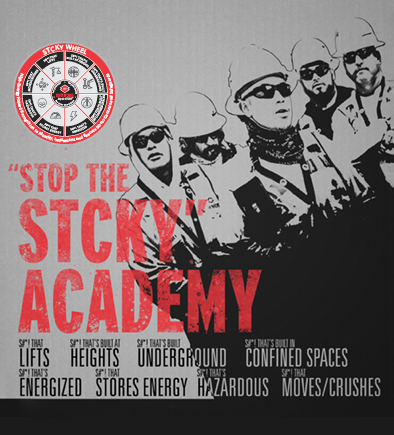
In construction, the smallest decision can make the biggest difference. Safety isn’t just about policies or equipment—it’s about awareness, mindfulness, and action in every moment. That’s where STCKY comes in. STCKY, which stands for “Stuff That Can Kill You,” is a simple but powerful concept that reminds workers to always look out for the most serious hazards on the job site. By focusing attention on what can cause life-altering injuries or fatalities, workers are better equipped to protect themselves and their teammates.
Thanks to the collaboration of the Construction Industry Safety Initiative (CISI), STCKY has become a foundational best practice across leading construction firms.
What Is STCKY?
Every job site has risks—but not all risks are equal. STCKY encourages workers to pause and identify the critical hazards that could cause the most severe harm, such as:
By identifying these hazards first, workers can make sure the proper controls are in place before work begins.
CISI Partners Are Driving Adoption
Through CISI’s collaboration, STCKY has been shared and adopted across dozens of companies as a core safety practice. Together, partners have:
Building a Safety Mindset
STCKY isn’t just a checklist—it’s a mindset. It teaches craft workers and leaders alike to think critically about what’s most important: going home safe every day. By focusing on life-threatening risks first, teams can ensure the right protections are in place, no matter the task.
This shared focus has helped CISI partners strengthen their safety cultures, empowering workers to stop and speak up when they see uncontrolled STCKY hazards.
A Lasting Impact
By making STCKY a key foundation of their safety best practices, CISI partners are leading an industry-wide cultural shift. They’ve turned a simple phrase into a powerful tool—one that helps keep safety front and center, every single day.
Because at the end of the day, safety comes down to this: identify the Stuff That Can Kill You and take action to control it.